1 Aug 2026
Banking Routes That Shape Game Access and Tiered Rewards Across App-Based Play Formats
Banking routes determine which games become available and how players advance through reward tiers on app-based platforms, with payment methods acting as gateways that filter access based on speed, verification requirements, and regional regulations. Data from multiple jurisdictions shows that credit card transactions often unlock immediate slot play while bank transfers trigger delays that restrict certain live dealer formats until funds clear, whereas e-wallet options frequently bypass these waits and open bonus rounds faster.
Payment Pathways and Initial Game Entry
App developers structure access around deposit types, so users who select instant methods gain entry to progressive jackpot pools and high-volatility reels that slower routes leave gated behind pending status indicators. Observers note that in August 2026 several platforms updated their integration protocols to align with new verification standards issued by the Malta Gaming Authority, which required additional documentation for wire transfers and thereby shifted player traffic toward digital wallets that completed checks in under five minutes.
Those who study transaction logs find that prepaid card routes limit exposure to table game variants because maximum deposit caps prevent the higher stakes needed for certain poker or blackjack tournaments, while direct carrier billing expands mobile-only formats that reward frequent small deposits with loyalty points. Research indicates these differences compound over time, since early access to featured games builds the play volume required for tier advancement.
Tier Progression Tied to Funding Mechanisms
Reward systems assign points based not only on wager size but also on the banking route used, with many apps granting accelerated status climbs to users who employ verified bank accounts that support recurring transfers. Figures reveal that participants routing funds through cryptocurrency channels often reach VIP thresholds sooner because the platforms apply reduced processing fees and award extra multipliers to offset volatility risks associated with digital assets.
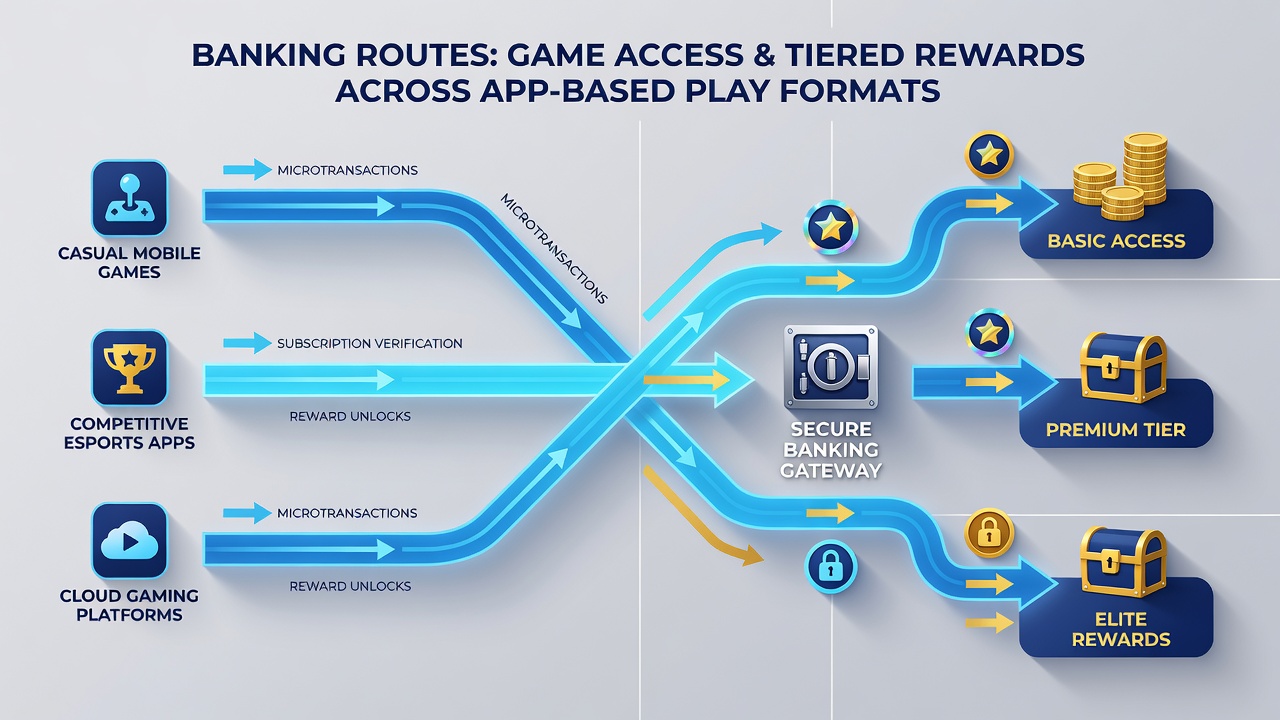
One case study from Canadian operators documented that players using Interac e-transfers accumulated tier points at a 15 percent higher rate than those relying on traditional credit lines, largely because the method integrated directly with provincial age-verification databases and reduced manual reviews. Meanwhile, platforms serving Australian users reported that POLi payments opened exclusive mobile slot streaks unavailable through other channels, since the system flagged completed transactions as low-risk and immediately credited promotional balances.
Regional Variations in Access and Rewards
Regulatory frameworks across North America and Europe create distinct patterns, with state-level rules in the United States requiring geofencing that interacts differently depending on whether a user funds an account via ACH or debit card. The National Council on Problem Gambling has compiled statistics showing that seamless funding methods correlate with longer session durations on regulated apps, which in turn feeds into tiered reward calculations that unlock personalized game recommendations and cashback percentages.
Yet the same data sets indicate that users in jurisdictions with stricter banking oversight encounter fewer available formats until they switch to approved routes, creating a feedback loop where initial payment choice predetermines the breadth of entertainment options and the speed of loyalty progression. Industry reports from the European Gaming and Betting Association highlight similar dynamics, noting that SEPA transfers in EU markets often qualify for cross-border bonus pools that domestic card payments cannot access without additional currency conversion steps.
Current Developments as of August 2026
Platform updates rolled out in August 2026 introduced dynamic routing engines that automatically suggest the banking method most likely to grant entry to a user's preferred game library and current tier goals. These engines pull from transaction histories to recommend options that minimize verification friction, and early adoption metrics suggest higher completion rates for reward challenges among players who follow the suggestions. Observers continue to track how these systems interact with emerging open-banking standards that allow direct account linkages without exposing card details.
Conclusion
Banking routes therefore function as structural elements that organize game availability and reward hierarchies within app-based environments, with each method carrying specific implications for speed, eligibility, and long-term status growth. Continued monitoring of regulatory changes and platform adaptations will clarify how these pathways evolve alongside new payment technologies and regional compliance requirements.