13 Jul 2026
Examining Transfer Method Impacts on Multi-Game Integration and Loyalty Advancement in Portable Wagering Environments
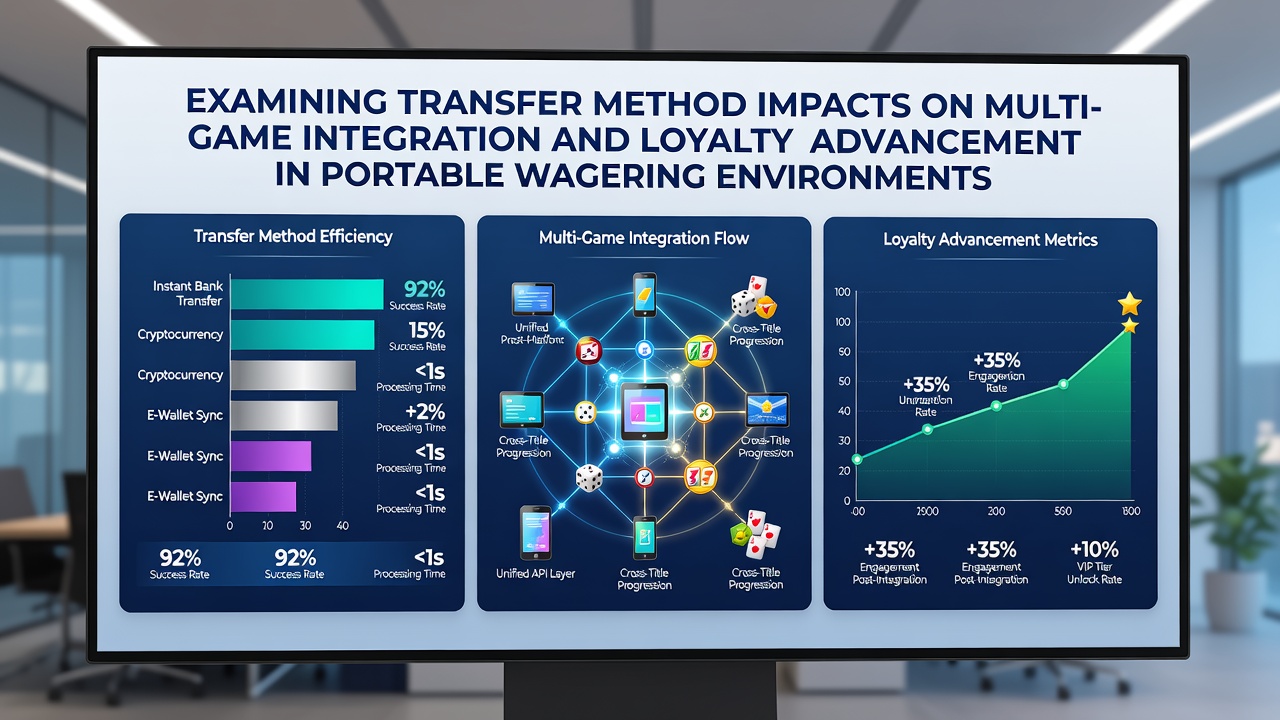
Portable wagering environments rely on transfer methods that connect users to multiple game formats while supporting loyalty program progression, and analysts track how these payment pathways shape both integration and advancement. Data from industry reports indicate that electronic wallets, bank transfers, and card-based systems each produce distinct outcomes when users move between slots, table games, and live dealer options on mobile devices. Researchers note that faster transaction speeds often correlate with higher rates of multi-game participation, whereas slower methods tend to limit session variety.
Transfer Methods and Platform Architecture
Payment systems determine how smoothly funds move across game categories, and developers design architectures that accommodate these flows. Studies from academic institutions show that platforms supporting instant e-wallet deposits enable users to switch between reel-based games and dealer-led tables without interruption, which in turn supports continuous engagement. In contrast, traditional bank transfers introduce delays that fragment play sessions, reducing the likelihood that participants explore additional formats during a single visit.
July 2026 figures from state regulatory bodies reveal that mobile wagering apps with integrated instant transfer options recorded elevated cross-format activity compared with those relying on batch-processed payments. Observers note that these patterns hold across different regions, although local rules on transaction verification influence the exact speed users experience.
Effects on Multi-Game Integration
Integration occurs when users access slots, table games, and live streams within one application without repeated funding steps, and transfer method design directly affects this capability. Evidence gathered by gaming research centers demonstrates that platforms offering unified wallet balances across formats achieve higher integration metrics, because players maintain a single balance that applies to every game type. This structure reduces friction and encourages exploration of new titles.

Those who study user behavior report that apps permitting crypto-based transfers show particularly strong integration results, since settlement occurs within seconds regardless of game category. Traditional card payments, while widely accepted, sometimes require separate authorization steps that interrupt the flow between live dealer sessions and slot sequences. Industry data collected through 2025 and into mid-2026 confirm that seamless transfer options correlate with increased time spent across multiple game verticals.
Loyalty Advancement Patterns
Loyalty systems track play volume and reward tier movement, yet the speed and reliability of transfers influence how quickly users accumulate qualifying activity. Reports compiled by trade associations indicate that instant deposit methods allow points to post in real time, which accelerates progression through membership levels. Slower methods create lag between activity and reward credit, which can stall advancement for some participants.
Analysts examining portable platforms find that loyalty programs tied to unified transfer ledgers produce more consistent tier elevation across user segments. When funds move automatically between game types and loyalty ledgers, operators record steadier progression rates, especially among users who rotate between slots and live dealer tables. Regulatory filings from multiple jurisdictions show these patterns persisting through the first half of 2026.
Regional Data and Platform Comparisons
Comparative studies conducted across North American and Australian markets highlight measurable differences based on dominant transfer methods. Platforms in regions favoring e-wallet adoption report stronger multi-game retention and faster loyalty advancement than those where card or bank methods predominate. American Gaming Association publications document these regional variations through aggregated operator data.
Further examination by independent research groups shows that loyalty programs incorporating transfer speed as a bonus multiplier see elevated engagement when instant options are available. Users who select faster methods reach higher tiers at greater frequency, according to longitudinal tracking conducted between 2024 and 2026. These findings hold after controlling for differences in game selection and promotional activity.
Conclusion
Transfer method characteristics shape both the degree of multi-game integration and the pace of loyalty advancement within portable wagering environments. Faster, unified systems support broader game exploration and quicker tier movement, while slower or fragmented methods produce measurable constraints on both outcomes. Data collected through mid-2026 continue to illustrate these connections across diverse regulatory settings and platform designs.