How Transaction Pathways Influence Game Integration and Reward Progression Across Portable Wagering Platforms
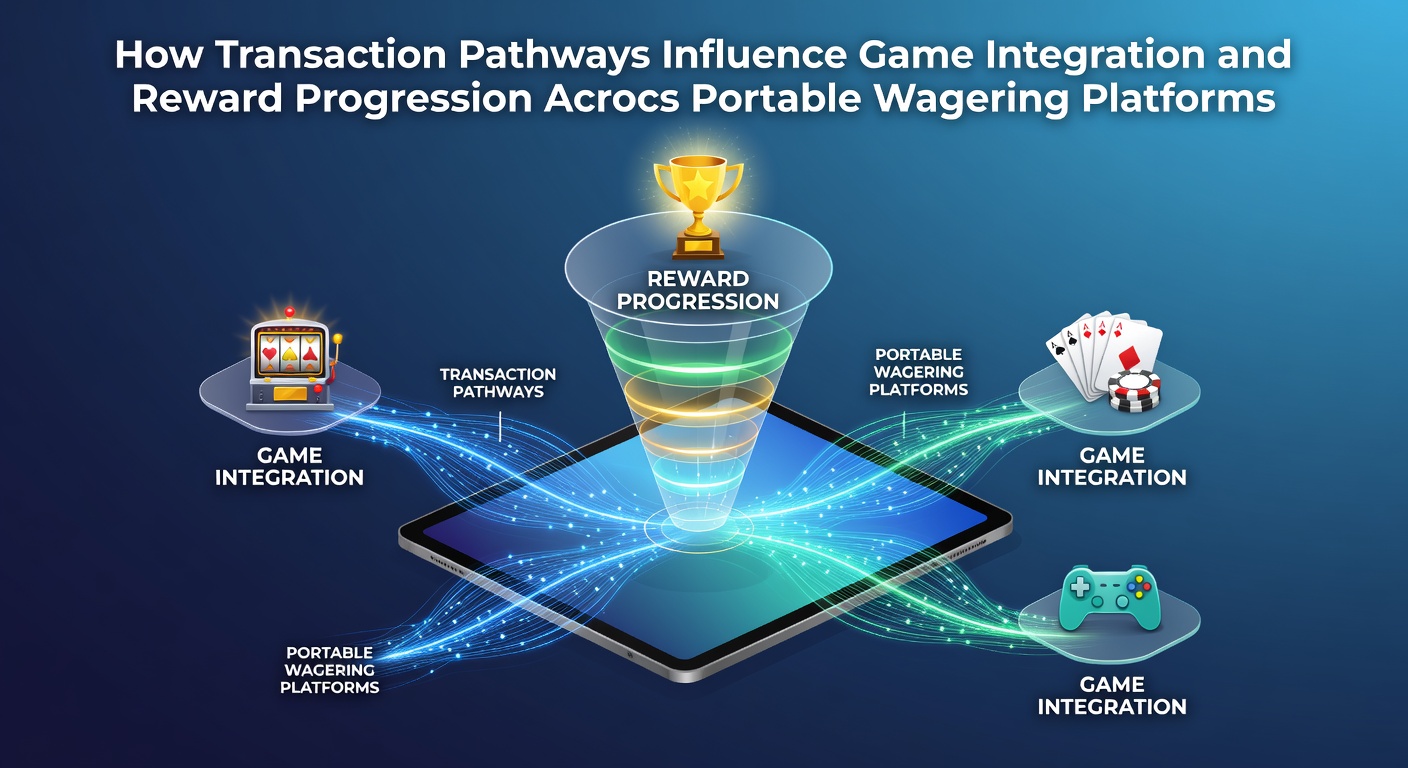
Transaction pathways serve as the underlying infrastructure that connects funding mechanisms to game environments on portable wagering platforms, and these connections shape how games load, interact, and deliver rewards in real time. Payment rails determine whether a player can switch between slot machines, table games, and live dealer streams without interruption while the same pathways track deposit history to calculate tiered loyalty points. Data from industry monitoring groups shows that platforms using instant settlement networks report higher rates of seamless game transitions compared to those relying on batch-processed transfers.
Mechanics of Transaction Pathways in Mobile Environments
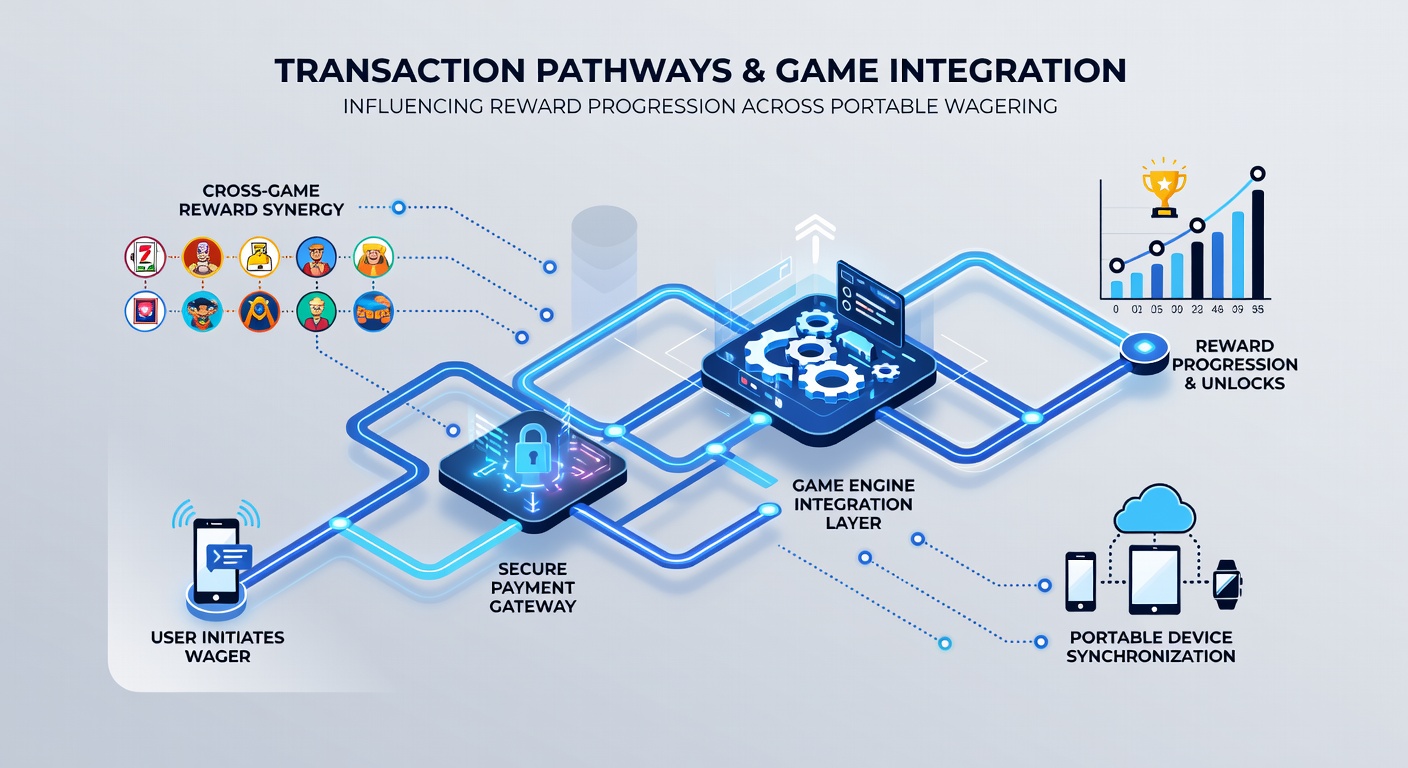
Portable wagering platforms depend on digital wallets, bank transfers, and cryptocurrency channels to move funds into and out of player accounts. Each method carries distinct latency characteristics that affect how quickly a game session begins and how rewards accumulate. When a user initiates a deposit through an integrated e-wallet, the platform immediately updates the account balance and unlocks corresponding game modules, whereas slower verification steps can delay entry into progressive jackpot pools or time-limited bonus rounds. Observers note that platforms optimized for low-latency pathways maintain consistent reward progression metrics across sessions, because the system registers every transaction event without lag.
Impact on Game Integration
Game integration refers to the process by which different titles connect to a shared backend that recognizes player balances and activity logs. Transaction pathways directly influence this linkage because the payment processor must communicate with the game server to confirm sufficient funds before launching a session. Platforms that employ unified API frameworks allow a single deposit to populate balance fields across slots, video poker, and live tables simultaneously, reducing the need for separate logins or balance refreshes. Research conducted by academic centers tracking digital gambling patterns indicates that integration failures often trace back to mismatched transaction protocols rather than game software issues themselves. One documented example involves a regional operator that switched from traditional card processing to real-time bank rails in early 2026, resulting in measurable improvements in cross-game navigation speeds. Players could move from a slot reel to a live dealer table without the platform requiring an additional authorization step, because the transaction record remained active within the session cache.
Influence on Reward Progression Systems
Reward progression tracks deposits, wagers, and play duration to assign loyalty tiers, free spin allocations, and cashback percentages. Transaction pathways feed this tracking system with timestamped records that determine eligibility windows. When deposits clear instantly, the platform can apply bonus multipliers within the same gaming session, whereas delayed confirmations push rewards into subsequent logins and sometimes cause players to miss tier advancement deadlines. Figures released by North American regulatory bodies in June 2026 highlight that operators utilizing automated reconciliation tools tied directly to payment rails experienced fewer disputes over missing loyalty credits. Australian research institutions studying mobile gambling ecosystems have similarly reported that platforms offering multiple concurrent transaction options maintain steadier progression curves for users who switch devices mid-session. The continuity stems from the pathway preserving session identifiers across mobile networks and Wi-Fi transitions.
Regional Regulatory Context and Platform Adaptations
Different jurisdictions impose varying requirements on transaction verification that ripple through game and reward systems. In Canadian provinces, standards emphasize responsible play limits that platforms must embed within the same pathways handling deposits, which means reward calculations automatically cap at predefined thresholds. European operators regulated under Malta Gaming Authority guidelines integrate similar controls yet permit faster cross-border transfers that accelerate VIP level climbs when users meet volume targets. These regional differences demonstrate how transaction rules shape both integration depth and reward pacing without altering core game mathematics.
Current Developments Observed in June 2026
By June 2026, several portable platforms introduced layered authentication that combines biometric confirmation with transaction approval, shortening the time between deposit and game launch. This change allowed reward engines to register activity in near real time, producing more granular progression data for loyalty programs. Industry reports compiled by the American Gaming Association note increased adoption of such combined systems among operators serving multiple markets, because the approach satisfies both security mandates and user expectations for uninterrupted play.
Conclusion
Transaction pathways function as the connective tissue between funding sources, game environments, and reward mechanisms on portable wagering platforms. Their design choices determine integration speed, reward timing, and cross-device consistency, while regulatory environments in various regions further refine how those pathways operate. Data collected through 2026 continues to illustrate measurable correlations between pathway efficiency and overall platform performance metrics.