3 Aug 2026
Licensing Variations Impacting Free Spin Allocations and VIP Progression in Cross-Platform Casino Services
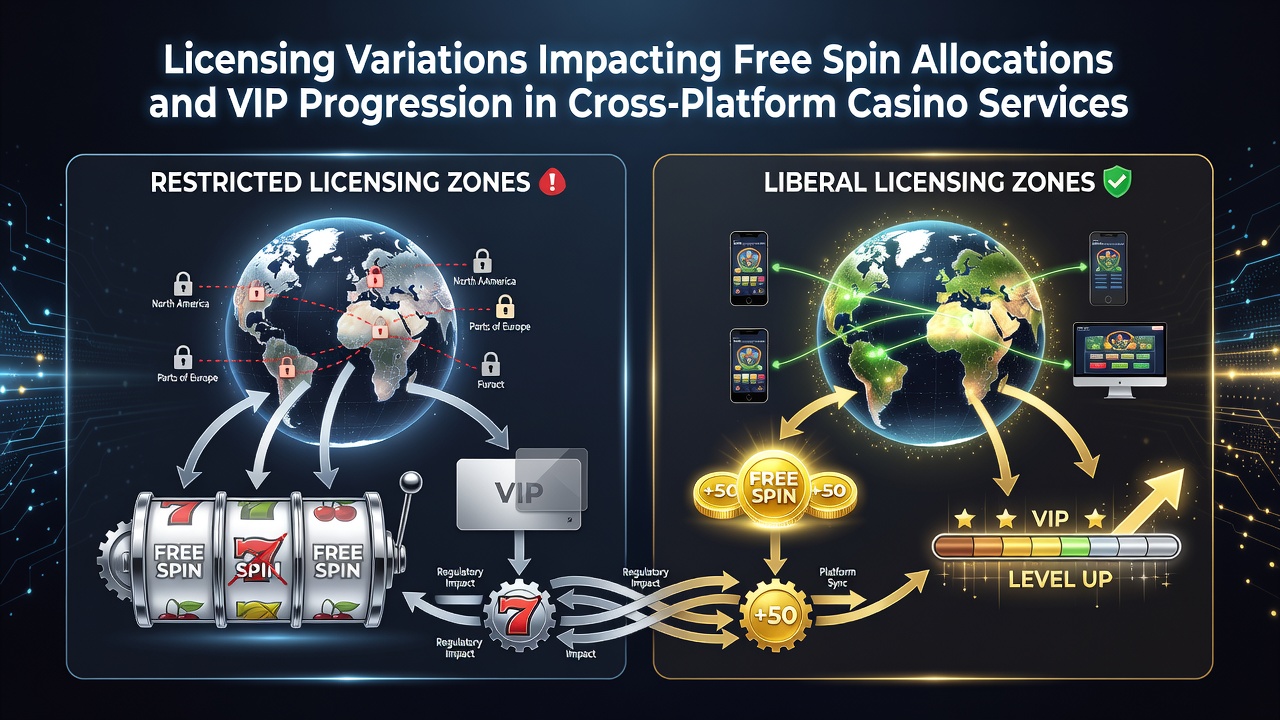
Regulatory frameworks across multiple jurisdictions shape how operators structure free spin allocations and VIP progression systems in cross-platform casino services, with each license type imposing distinct requirements on bonus distribution and loyalty tracking. Operators holding multi-state or international licenses must align their reward mechanisms with varying rules on player eligibility, spin quantities, and tier advancement criteria that often differ between desktop and mobile environments. Data from industry reports indicates these variations create distinct operational pathways depending on the specific regulatory body overseeing each platform component.
Regional Licensing Structures and Their Direct Effects
US state-level licenses such as those issued in New Jersey and Pennsylvania establish precise caps on free spin quantities per promotional cycle while requiring separate tracking for mobile versus desktop accounts, whereas Canadian provincial frameworks like those managed through iGaming Ontario allow greater flexibility in cross-device spin carryover but tie VIP point accumulation to verified transaction volumes. Observers note that operators must recalibrate their backend systems each time they expand into a new licensed market, since rules governing progression speed and reward eligibility rarely align across borders. August 2026 brought updated compliance deadlines in several North American jurisdictions that further differentiated how free spins convert into VIP qualifying activity on handheld devices compared to traditional desktop sessions.
Free Spin Allocation Rules Across License Types
Licenses from the Malta Gaming Authority permit operators to distribute free spins as part of welcome packages without mandatory deposit thresholds in certain cross-platform scenarios, while Australian state regulations require all spin allocations to link directly to prior verified deposits and cap total value per player tier. Those who have studied these systems find that mobile applications often face stricter per-session limits under the same license that governs desktop play, forcing operators to maintain parallel allocation engines. Research indicates this split approach ensures compliance yet creates noticeable differences in how quickly players can access reel-based rewards depending on their primary access method.
VIP Progression Mechanics Under Varying Oversight
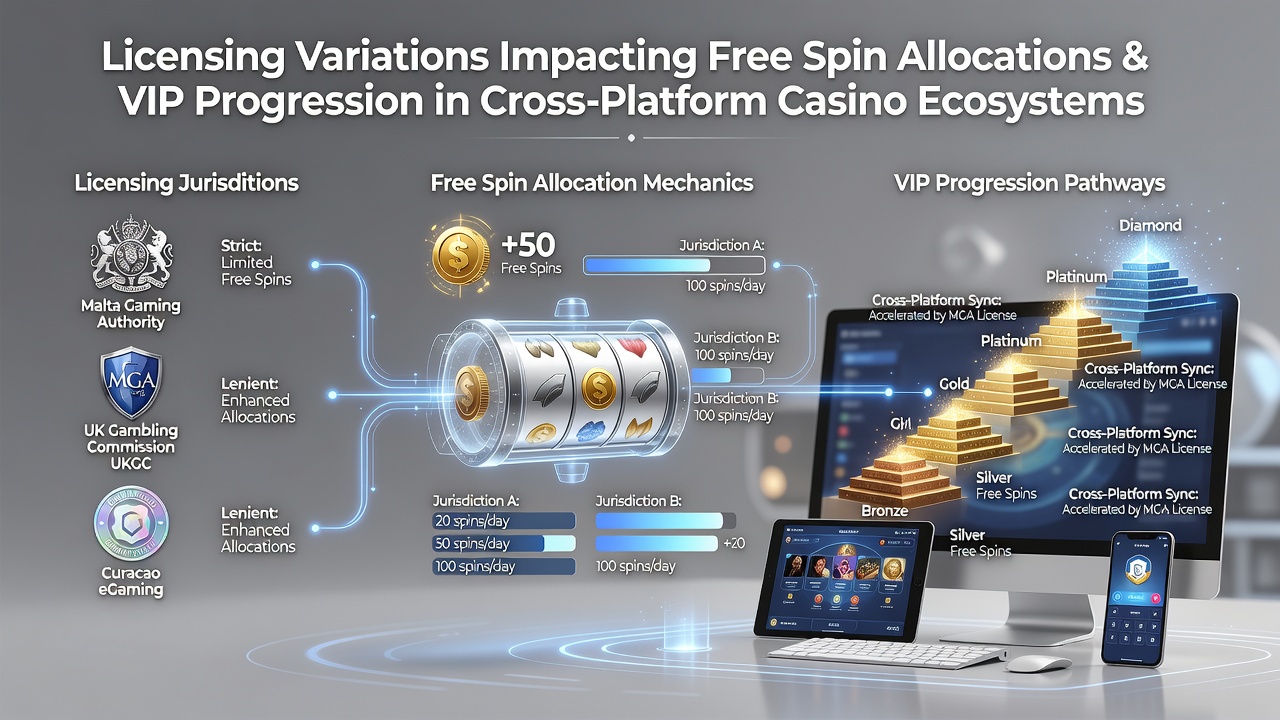
European licenses frequently require transparent point-to-tier conversion tables that apply uniformly across all devices, whereas some US tribal and state compacts allow operators to accelerate mobile VIP advancement through location-based bonuses that do not appear on desktop interfaces. Experts have observed that these differences affect how quickly players reach higher loyalty tiers when they switch between platforms mid-session. Figures from the American Gaming Association reveal that operators serving multiple licensed markets allocate additional development resources to maintain separate VIP ledgers that satisfy each regulator's audit requirements without merging player data across jurisdictional boundaries.
Cross-Platform Integration Challenges
Operators holding licenses in both North American and European markets must synchronize free spin eligibility flags and VIP point ledgers in real time, since a player who earns spins on a mobile app under one regulatory regime may face different redemption rules when accessing the same account via desktop in another jurisdiction. Studies from academic gaming research centers show that successful integration depends on modular compliance layers that activate specific rules based on detected device type and current licensing jurisdiction. The reality is that failure to maintain these distinctions can trigger license reviews or temporary suspension of promotional features across all platforms.
Operational Adjustments in August 2026
Regulatory updates effective in August 2026 prompted several operators to revise their cross-platform VIP algorithms, particularly those governing how free spin winnings contribute to tier advancement on mobile devices. Compliance teams adjusted point multipliers and redemption windows to match new reporting standards issued by multiple licensing authorities simultaneously. Those who've examined the resulting system changes report that desktop interfaces retained more traditional progression paths while mobile environments adopted accelerated tracking in certain markets to meet updated player protection measures.
Conclusion
Licensing variations continue to dictate the precise mechanics of free spin distribution and VIP progression within cross-platform casino services, requiring operators to maintain jurisdiction-specific configurations that function seamlessly across devices. Regulatory bodies in different regions impose unique constraints that directly influence reward availability and loyalty advancement speed, creating a fragmented yet highly regulated operational landscape. Ongoing adjustments, including those implemented around August 2026, demonstrate how license conditions remain central to the design and delivery of these features across all platforms.