20 Aug 2026
Mapping Digital Payment Flows to Progressive Loyalty Rewards in Mobile Slot and Live Gaming Environments
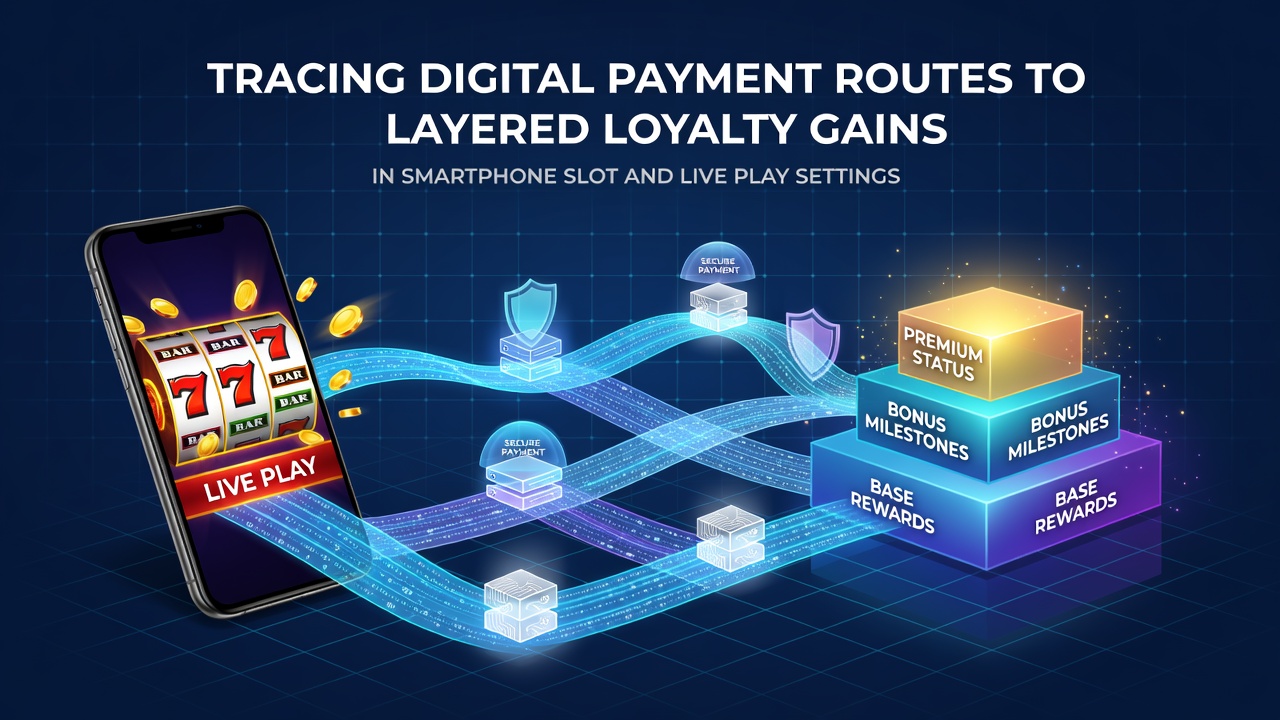
Digital payment systems continue to shape how players access smartphone-based slot machines and live dealer tables while accumulating rewards across multiple membership tiers, and industry reports document these connections through transaction data collected in real time. Payment routes begin with bank transfers, e-wallets, or card authorizations that move funds into gaming accounts, after which operators record each deposit to calculate eligibility for loyalty points and tier upgrades.
Payment Pathways and Initial Reward Triggers
Operators track deposits from the moment they clear, linking each transaction to player profiles that store details on game selections, session lengths, and spending patterns, while data from August 2026 shows increased use of instant verification methods that reduce processing delays to seconds rather than minutes. These records feed into algorithms that assign points immediately upon deposit confirmation, allowing players to unlock entry-level benefits such as free spins or table game credits without additional steps.
Researchers at academic institutions have examined how these early-stage connections influence longer-term participation rates across mobile platforms, and findings indicate that seamless fund movements correlate with higher frequency of both slot spins and live dealer interactions. Payment providers supply the underlying infrastructure that transmits identifiers alongside monetary values, which casino systems then match to existing loyalty databases for accurate point allocation.
Layered Tier Progression Through Transaction Monitoring
Loyalty frameworks typically divide membership into several stages that require cumulative activity thresholds, and digital payment logs supply the measurable data needed to advance from one stage to the next. Once a player reaches a defined deposit total within a calendar period, the system automatically evaluates eligibility and grants upgraded status that includes faster withdrawal processing, personalized game recommendations, and access to exclusive live dealer rooms on the same mobile application.
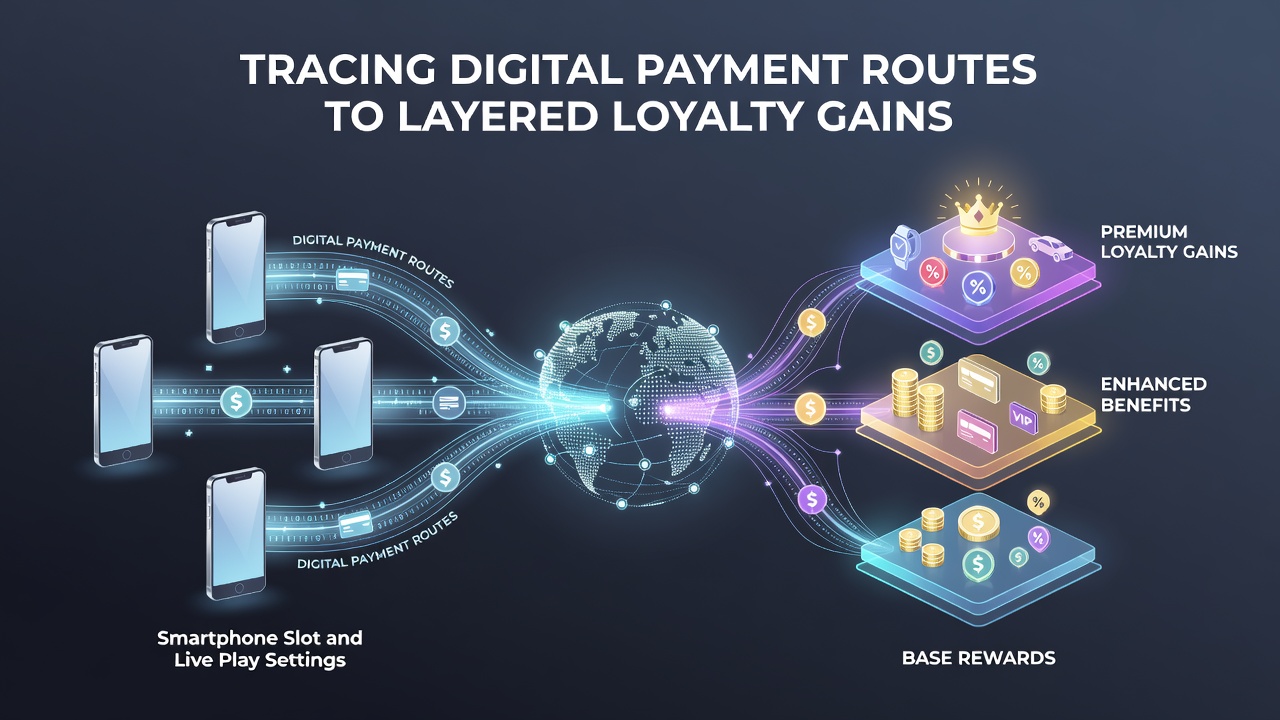
Operators maintain separate ledgers for slot play and live table sessions yet combine the resulting metrics through unified payment histories, allowing a single deposit to contribute toward multiple reward categories simultaneously. Observers note that this integration reduces administrative overhead while increasing the visibility of available benefits to users who switch between game formats during a single session.
Smartphone-Specific Integration of Funds and Rewards
Mobile applications handle both deposits and loyalty tracking within the same interface, which means players can view point balances and upcoming tier milestones without leaving the gaming environment. Developers embed secure application programming interfaces that pull transaction details directly from payment processors and push updates to loyalty engines in the background, ensuring that rewards reflect activity without manual intervention.
According to Ontario gaming oversight records, mobile transaction volumes in regulated markets have grown steadily, providing operators with richer datasets for refining tier structures. These datasets capture not only deposit amounts but also timing patterns that influence when loyalty bonuses become available during live play windows.
Cross-Format Play and Cumulative Loyalty Calculations
Players who alternate between slot reels and live dealer tables generate combined activity logs that payment systems consolidate into single loyalty profiles, and this aggregation allows operators to offer hybrid rewards such as bonus funds usable across both formats. Transaction timestamps help determine whether activity qualifies for time-limited promotions tied to specific game types, while maintaining separate point multipliers for slots versus table games.
Industry associations compile aggregate figures that reveal how payment route efficiency affects retention across different membership levels, and reports from Australian regulatory analyses highlight measurable differences in tier advancement speeds when instant payment options are available versus delayed methods. These variations appear in both short-term session data and longer-term loyalty retention statistics.
Conclusion
Digital payment routes supply the measurable foundation for layered loyalty programs in smartphone slot and live play settings by delivering verifiable transaction records that operators convert into tier eligibility and reward distribution. Continued refinement of these connections relies on secure data exchange between payment providers and gaming platforms, which maintains accurate tracking across multiple game formats and membership stages.