13 Aug 2026
Mapping Digital Transaction Corridors to Progressive Engagement Tiers in Portable Multiplayer Entertainment Ecosystems
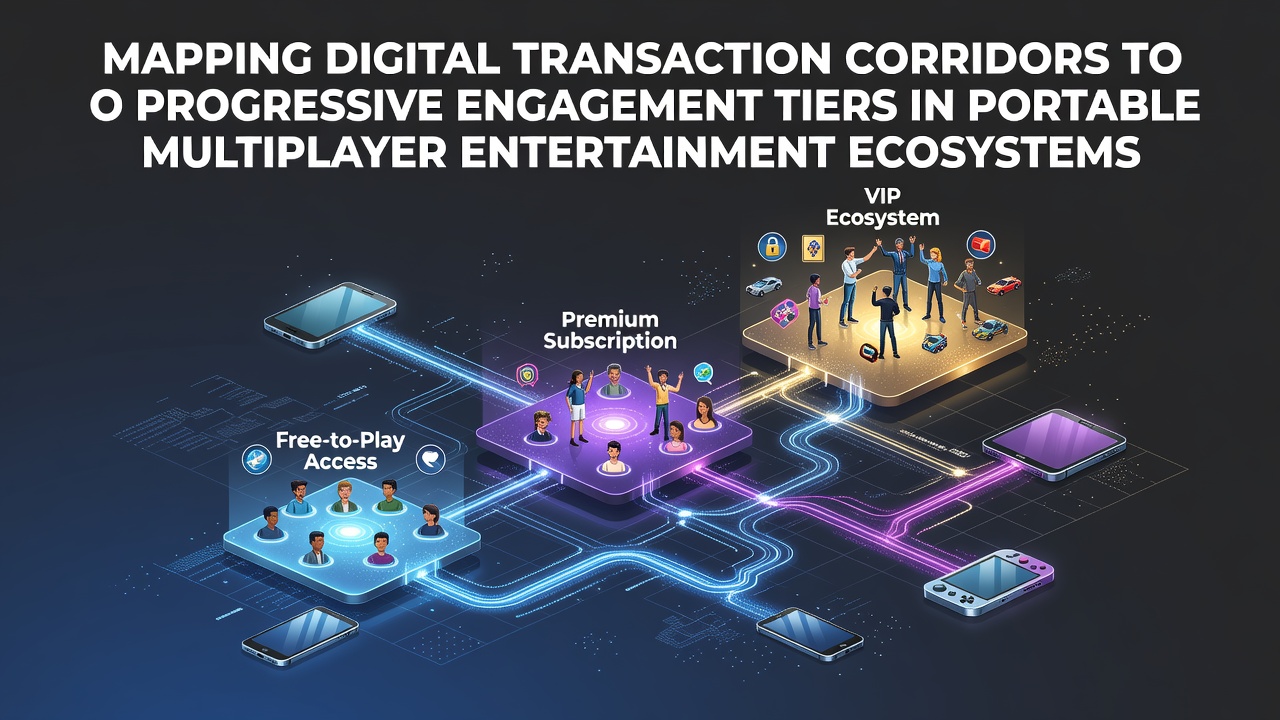
Digital transaction corridors represent the structured pathways through which payments and value transfers move within portable multiplayer entertainment ecosystems, and these pathways connect directly to progressive engagement tiers that define user access and feature availability. Researchers tracking mobile platform data note that transaction corridors often include credit card processors, digital wallets, carrier billing systems, and regional payment gateways, while engagement tiers range from entry-level free access to mid-tier subscription models and higher premium memberships that unlock expanded social features and content libraries.
Core Components of Transaction Corridors in Mobile Ecosystems
Transaction corridors operate through layered infrastructure that routes funds from user devices to platform servers, and this routing incorporates security protocols such as tokenization and encryption at each step. Data from industry reports indicates that in August 2026 mobile entertainment platforms processed billions of microtransactions monthly, with corridors adapting to local regulations in markets across North America, the European Union, and Asia-Pacific regions. Observers note that corridors prioritize speed and low friction for recurring payments, which in turn supports seamless progression through engagement tiers as users accumulate activity metrics like playtime hours and social interactions.
Payment integration points vary by region, with North American systems frequently relying on established card networks and European platforms incorporating open banking options that comply with PSD2 directives. Australian digital economy studies highlight how corridors in that market integrate with local fintech providers to reduce cross-border fees, and these adjustments allow platforms to maintain consistent tier advancement regardless of user location.
Progressive Engagement Tiers and Their Structural Logic
Progressive engagement tiers function as hierarchical frameworks that reward sustained participation through incremental access to multiplayer modes, customization options, and community tools. Studies from the Entertainment Software Association reveal that tier progression typically follows measurable thresholds, including total session duration, friend connections established, and in-app activity completion rates. Those who analyze platform architectures find that lower tiers emphasize basic matchmaking and limited content, whereas mid and upper tiers introduce advanced social hubs and priority server access.
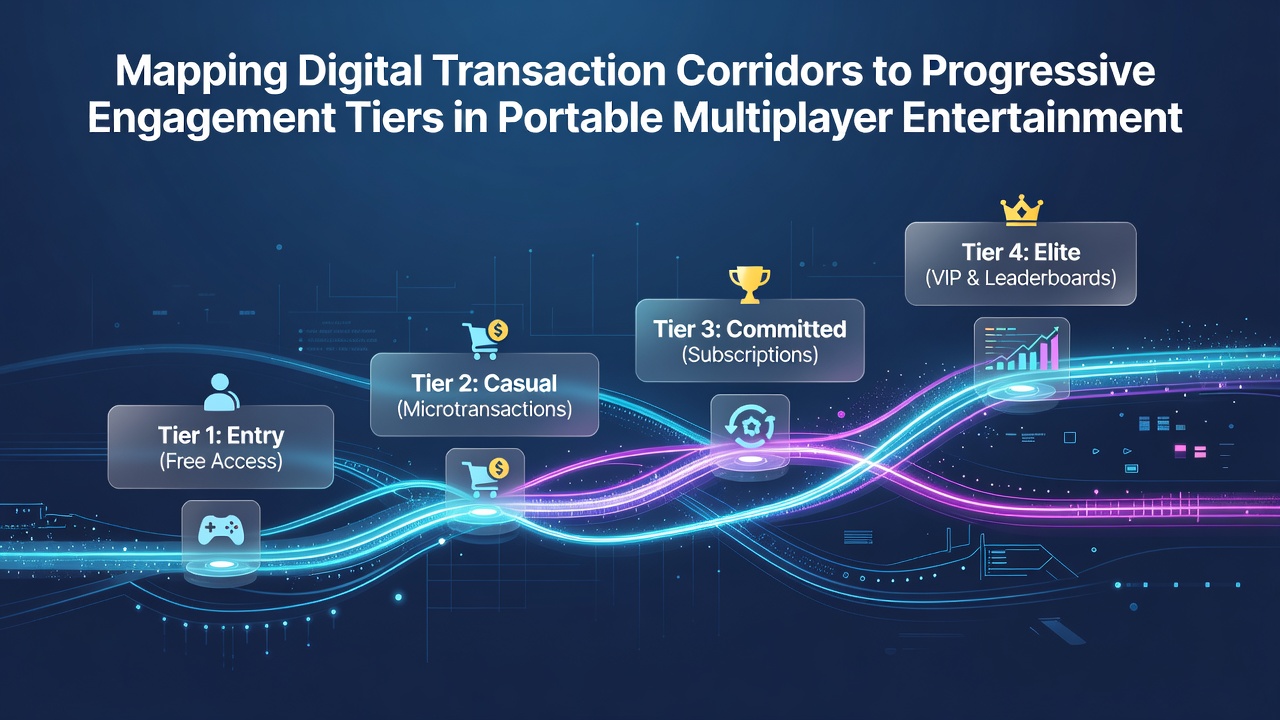
Mapping occurs when platforms align specific corridor outputs, such as successful payment confirmations or recurring subscription signals, with automated tier elevation scripts. Research indicates this alignment uses real-time analytics engines that monitor both financial and behavioral data streams simultaneously, and the result appears in user dashboards that display current tier status alongside upcoming requirements.
Integration Mechanisms and Platform Adaptations
Platforms implement mapping through API connections that trigger tier updates upon transaction verification, and these connections incorporate fallback options when primary corridors experience delays. Canadian gaming industry analyses show that successful mappings reduce user churn by maintaining momentum in engagement, while EU data protection frameworks require explicit consent for data sharing between payment processors and tier management systems. One documented case involved a major mobile title that adjusted its corridor-to-tier logic in response to seasonal usage spikes, resulting in documented increases in mid-tier retention metrics tracked over quarterly periods.
Variations emerge based on platform scale, with smaller developers often relying on third-party middleware for corridor management, whereas larger operators build proprietary systems that integrate directly with multiple regional payment networks. Academic papers on digital economies note that such integrations must account for currency fluctuations and tax reporting obligations that differ across jurisdictions.
Observed Patterns Across Global Markets
Patterns in corridor-to-tier mapping appear consistent in markets where mobile penetration exceeds 70 percent of the population, and these patterns include accelerated tier advancement for users who combine multiple payment methods within a single account. Government statistics from South Korea and Japan illustrate higher adoption of carrier billing corridors that tie directly to tier benefits like exclusive event participation. Platforms operating in these regions report that users who complete tier milestones through verified transactions demonstrate longer average retention spans compared with those entering via one-time promotions.
Further examination of transaction logs reveals that corridor reliability influences tier stability, particularly when payment failures interrupt recurring subscriptions and cause temporary demotions. Developers respond by deploying notification systems that guide users toward alternative corridors, preserving engagement continuity.
Conclusion
Mapping digital transaction corridors to progressive engagement tiers establishes a functional relationship between payment infrastructure and user advancement within portable multiplayer entertainment ecosystems. Evidence from multiple regional sources demonstrates that effective mapping supports sustained participation through clear, automated linkages between financial activity and feature access. Continued evolution in payment technologies and regulatory environments will shape future refinements to these mappings across global platforms.