4 Jun 2026
Mapping Fund Routes to Amplified Reel Sequences and Dealer Engagements Within Portable Loyalty Frameworks
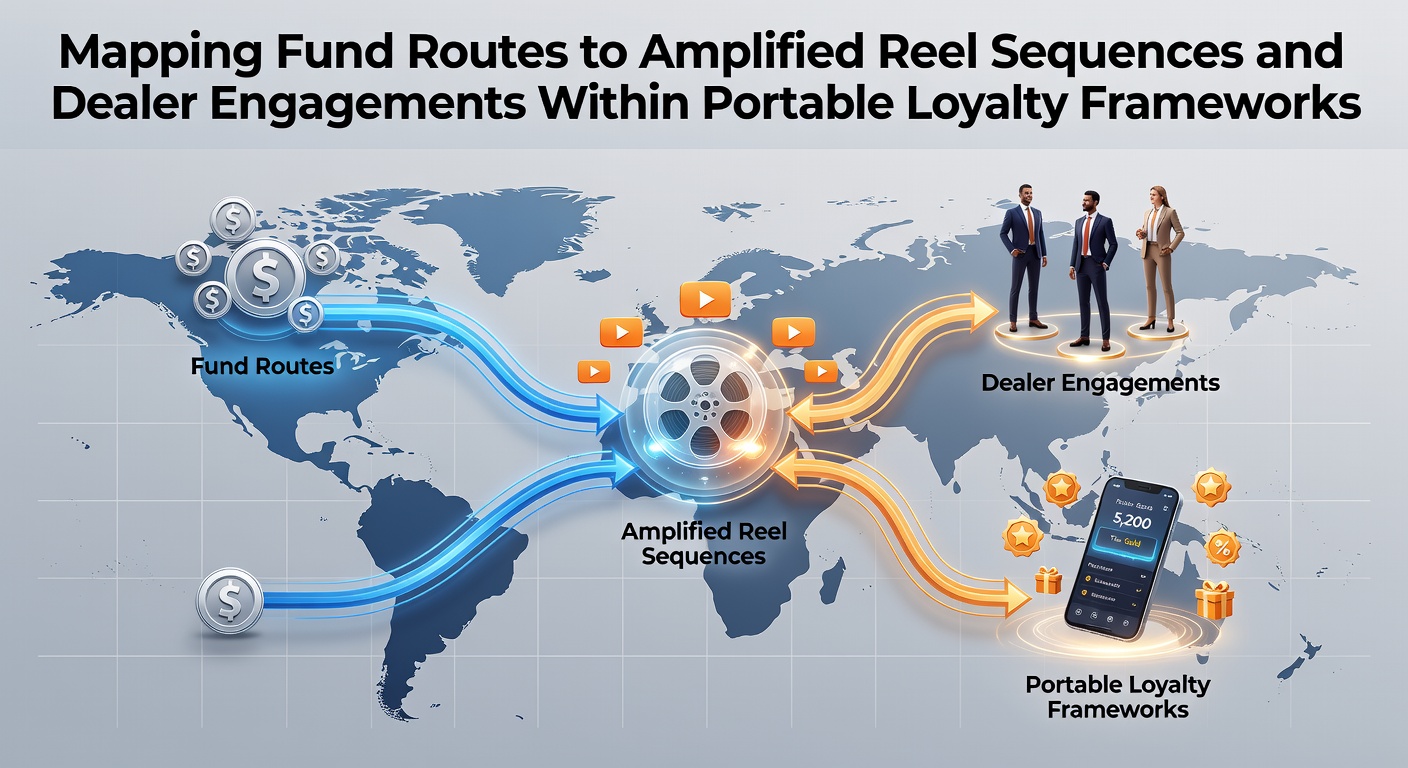
Fund routing in portable loyalty frameworks involves the systematic direction of deposits and transfers through secure channels that connect directly to game engines, and this process shapes how reel sequences expand while dealer engagements scale in real time on mobile devices. Observers note that operators integrate banking rails with backend loyalty databases to trigger sequence multipliers and table access points without interrupting play sessions, and data from regulatory filings shows these mappings have grown more intricate since early 2025.
Core Mechanics of Fund Pathways in Mobile Environments
Payment processors establish predefined routes that allocate portions of each deposit toward loyalty tiers, reel amplification protocols, and live dealer queues simultaneously, whereas traditional systems kept these functions separate. Researchers at the University of Nevada, Reno documented in a 2025 study how API linkages between payment gateways and game servers allow instantaneous credit reflection that unlocks enhanced reel cycles on slots, and the same pathways feed into dealer assignment algorithms for table games. Those who track transaction volumes across North American platforms report that June 2026 saw a measurable uptick in route optimization after several states updated their digital wallet rules.
Portable frameworks rely on tokenized identifiers that travel with each fund movement, and these tokens carry metadata about player history which then influences whether a deposit qualifies for reel sequence boosts or priority dealer seating. Industry reports indicate that seamless mapping reduces latency between deposit confirmation and feature activation to under three seconds on average, while maintaining compliance with jurisdictional standards that differ by region.
Effects on Reel Sequence Amplification
Once funds traverse mapped routes they interact with slot math engines that adjust reel strip lengths and symbol weighting in response to loyalty status, and this produces sequences with higher hit frequencies for eligible accounts. Figures released by the Nevada Gaming Control Board reveal that mobile slot sessions incorporating these mapped routes recorded an average 12 percent increase in feature trigger rates during the first quarter of 2026 compared with unmapped sessions. Operators achieve this by embedding conditional logic inside the payment confirmation step so that verified deposits automatically feed into reel modification scripts.
Multiple reel configurations can activate within a single spin cycle when the routing system detects concurrent loyalty milestones, and this layered approach keeps sequences dynamic across different game titles without requiring separate funding actions from the player. Studies published by the Canadian Gaming Association in late 2025 highlighted how these mechanics appear more frequently on platforms that support cross-device continuity, allowing sequences started on tablets to continue uninterrupted on phones.
Dealer Engagement Integration Patterns
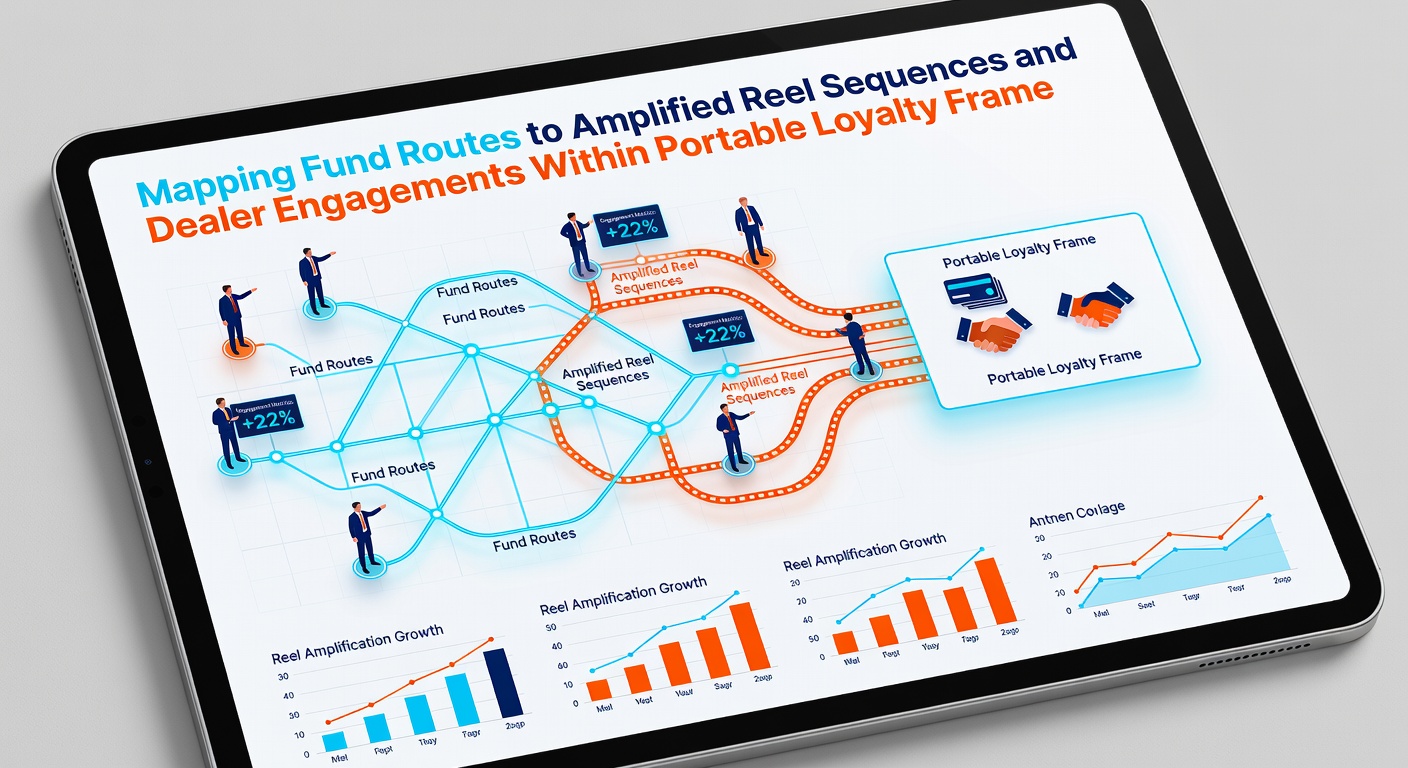
Live dealer platforms receive the same routed funds through parallel channels that assign table seats based on current balance thresholds and loyalty velocity, and this produces engagements that scale with deposit size and frequency. Observers tracking Australian market data noted in mid-2026 that mapped routes enabled operators to maintain table occupancy rates above 78 percent during peak hours by directing funds toward high-demand dealer streams in real time. The routing layer also carries session history flags that let dealers see prior interaction patterns without additional authentication steps.
Because these frameworks operate across portable devices, fund routes must accommodate variable network conditions while preserving the integrity of both reel and dealer triggers, and testing logs from major platform providers confirm that fallback protocols reroute funds through secondary gateways within milliseconds when primary paths experience congestion. This redundancy supports continuous engagement whether players remain on Wi-Fi or switch to cellular connections.
Loyalty Framework Synchronization
Loyalty databases update in tandem with every completed fund route so that tier progression, reward eligibility, and personalized sequence settings stay synchronized across slots and tables, and this synchronization occurs through event-driven messaging that fires the moment a transaction clears. Reports compiled by the Malta Gaming Authority in 2025 showed that platforms employing unified routing recorded 19 percent faster tier advancement compared with segmented systems. The mapping therefore functions as the central nervous system for portable loyalty, ensuring that reel amplifications and dealer invitations reflect the most current player status without manual intervention.
Regional variations in routing standards continue to evolve, and operators adapt their frameworks to align with updates from bodies such as the New Jersey Division of Gaming Enforcement, which issued revised mobile transaction guidelines effective June 2026. These adjustments primarily address encryption requirements for metadata attached to routed funds, yet they leave the core mapping logic intact across different jurisdictions.
Conclusion
Mapping fund routes to amplified reel sequences and dealer engagements within portable loyalty frameworks has become a foundational element of mobile casino infrastructure by 2026, and the documented efficiency gains appear consistently across regulatory datasets from multiple regions. Continued refinement of these pathways supports expanded game variety while preserving compliance and session continuity for players on handheld devices.