25 Jun 2026
Observing How Digital Wallet Integrations Facilitate Transitions Between Various Game Types and Tiered Reward Systems on Handheld Devices
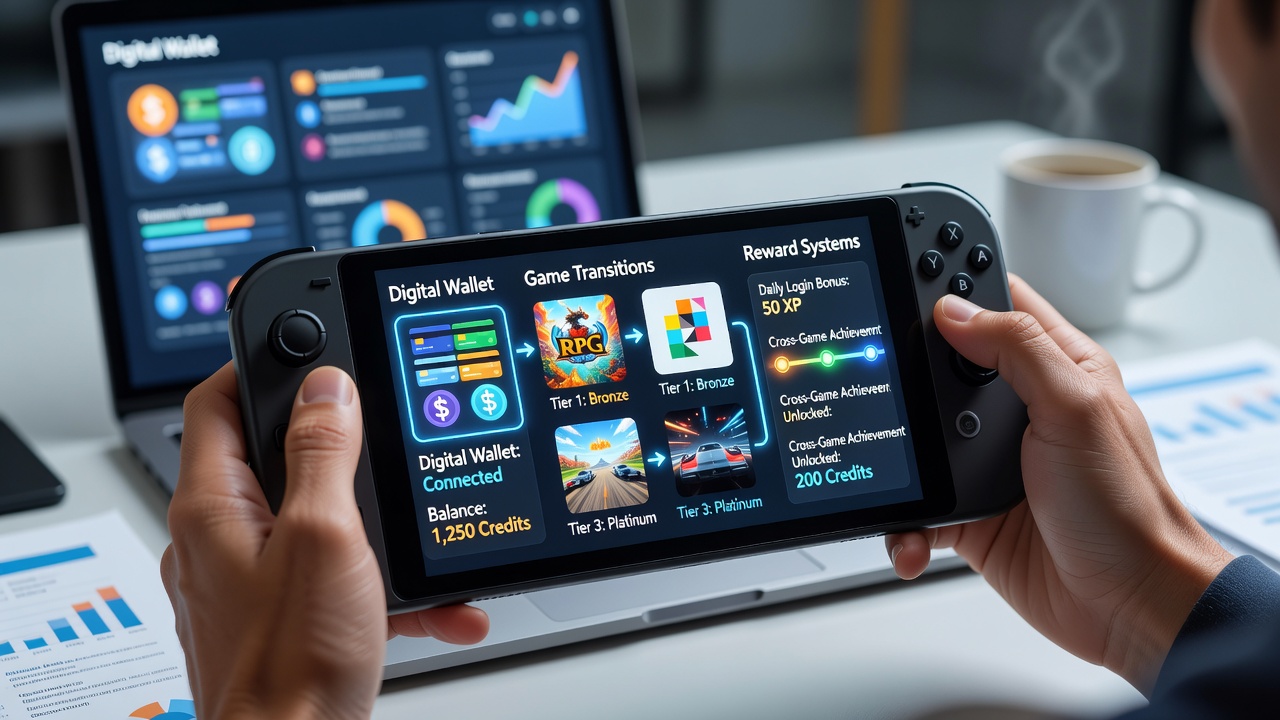
Digital wallet systems have become central to how players move between different entertainment formats on portable devices, and the mechanics behind these integrations continue to evolve with platform updates and payment infrastructure changes. Handheld devices now support direct connections to multiple game categories through single authentication layers that carry balance information and loyalty data across sessions without requiring repeated logins or manual transfers.
Mechanics of Wallet Integration on Portable Platforms
Research from industry monitoring groups shows that digital wallets reduce the steps needed to switch between slot machines, table games, and live dealer environments by maintaining a unified balance that updates in real time. Players initiate a session on one format, and the wallet records the activity while preserving access to accumulated points or tier status, which then applies automatically when the user selects a different game type. This process relies on API connections that sync data between the device interface and backend servers, allowing transitions to occur within seconds rather than through separate account checks.
Observers note that these integrations often include security features such as tokenization, where actual account details remain encrypted during each switch. Data collected across multiple markets indicates higher completion rates for game changes when wallets handle the routing, compared with traditional methods that require external payment gateways for each new selection.
Supporting Tiered Reward Progression Across Formats
Tiered membership programs track activity across varied game types through the same wallet connections that manage fund movements. Points earned from reel sequences contribute to status levels alongside participation in dealer-led tables or streamed sessions, with the system updating eligibility automatically as thresholds are met. Reports released in June 2026 highlighted increased cross-format play among users whose accounts linked rewards directly to wallet balances, suggesting that seamless tracking encourages broader engagement without separate loyalty cards or manual submissions.
Studies from research institutions have examined how these systems assign multipliers or bonus eligibility based on overall spend patterns rather than isolated game categories. The wallet serves as the central record keeper, pulling data from each session type and applying it to the player's current tier, which in turn unlocks benefits that remain available across all handheld formats supported by the platform.
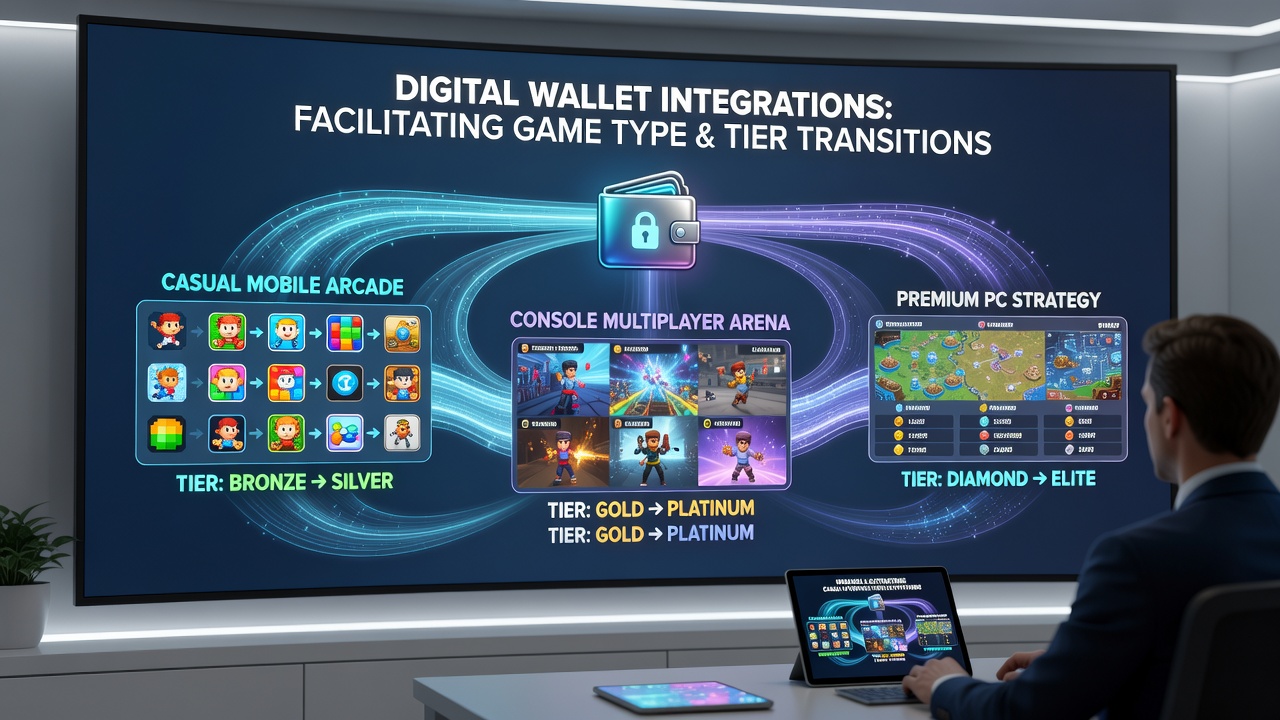
Regional Developments and Platform Adaptations
Regulatory bodies in different jurisdictions have issued guidelines on digital wallet usage in gaming environments, with some requiring clear disclosure of how balances transfer between game types and how reward tiers calculate across formats. In markets where handheld access represents a growing share of total activity, operators have adjusted their systems to align with these rules while maintaining the speed of transitions. Figures from various monitoring agencies reveal that platforms incorporating wallet-based loyalty tracking report steadier user retention across device types compared with those relying on fragmented reward structures.
Take one case examined by academic researchers where a platform updated its wallet protocol in early 2026, resulting in documented increases in users completing transitions from slot sequences to live table sessions within the same session. The study tracked activity logs and found that the unified system reduced friction points that previously interrupted play when players attempted to access tier benefits on a new game format.
Technical Elements Enabling Cross-Game Movement
Backend architecture supporting these integrations typically includes real-time synchronization protocols that update both financial balances and reward ledgers simultaneously. When a player moves from a handheld slot environment to a live dealer stream, the wallet confirms available funds and applies any active tier multipliers without requiring additional verification steps. Industry associations have published technical overviews noting that such systems often incorporate fallback mechanisms to handle network interruptions, preserving session data until reconnection occurs.
Additional layers handle currency conversions when games operate under different denominations, ensuring that tier progression remains consistent regardless of the format selected. This functionality extends to promotional credits as well, with wallets routing entry incentives into the same balance used for standard play and tracking their contribution toward higher membership levels.
Conclusion
Digital wallet integrations continue to shape how transitions occur between game categories and how tiered rewards accumulate on handheld devices. The systems rely on synchronized data flows that maintain continuity across formats while adhering to regional requirements for transparency and security. As platforms refine these connections, the patterns of player movement between entertainment options and the application of loyalty benefits reflect the underlying infrastructure that supports them.