30 Jul 2026
Shaping Access to Live Table Encounters and Automated Reel Play Through Diverse Settlement Methods in Handheld Loyalty Programs
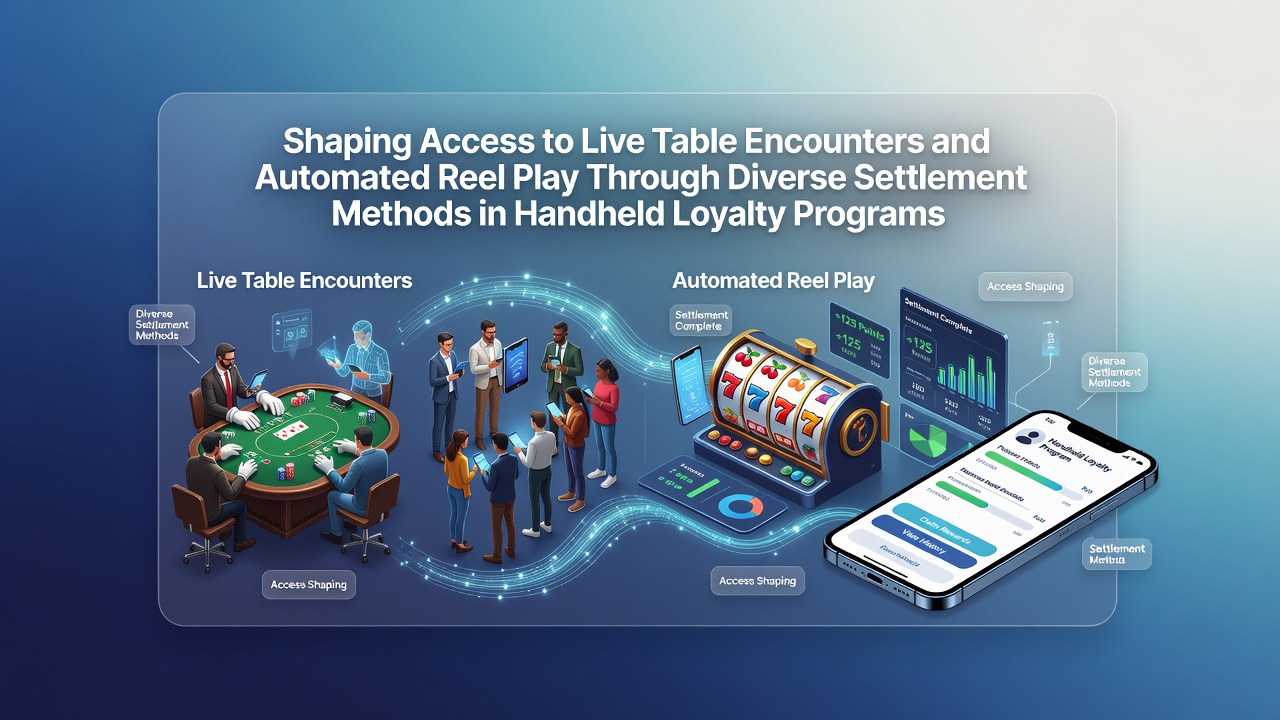
Handheld loyalty programs integrate settlement methods that determine how players reach live dealer tables and automated reel sequences, and operators structure these pathways around credit cards, e-wallets, bank transfers, and cryptocurrency options that each carry distinct processing times and verification layers. Data from industry reports indicate that mobile platforms synchronize these methods with tiered membership systems so that deposit speed and approval criteria directly control entry to real-time table sessions and continuous reel cycles.
Settlement Methods and Their Role in Mobile Access
Operators configure loyalty frameworks to route funds through multiple channels, and each channel imposes its own timeline that affects when users unlock live table encounters or start automated reel sessions. Credit card settlements often clear within minutes yet trigger additional identity checks at higher volumes, while e-wallet transfers complete in seconds and bypass some verification steps once an account reaches a certain loyalty tier. Bank transfers require one to three business days in many jurisdictions, which delays access until the funds post and loyalty points accrue accordingly.
Those who study mobile gaming ecosystems observe that cryptocurrency settlements operate on blockchain confirmations that range from under a minute to several hours depending on network load, and platforms adjust loyalty rewards to compensate for variable arrival times. In July 2026, regulatory filings showed that several North American operators updated their mobile apps to display expected settlement windows next to each payment icon, allowing members to select options that align with planned table or reel activity.
Integration with Loyalty Tiers and Game Formats
Loyalty programs assign point multipliers based on settlement method and amount, and these multipliers determine progression speed toward VIP levels that grant reserved seats at live dealer tables or accelerated spin rates on automated reels. A player who routes funds via an e-wallet may receive double points compared with a standard bank transfer, and the extra points translate into earlier eligibility for private blackjack tables or high-volatility reel features.
Research compiled by the Canadian Gaming Association demonstrates that platforms using tiered settlement incentives report higher retention rates among members who combine multiple methods within a single billing cycle. The data further reveal that members who alternate between instant and delayed options maintain steadier play patterns across both live and automated formats because they can plan sessions around confirmed fund availability.

Regional Regulatory Influences on Payment Pathways
European regulatory bodies require operators to separate settlement verification from game access protocols, which means loyalty programs must grant provisional credits for live table entry while final clearance occurs. Australian state authorities have implemented similar rules that tie settlement confirmation to responsible gambling checks before members advance to higher-stakes reel play. These frameworks create parallel tracks where instant methods receive immediate tier benefits and slower methods receive deferred rewards once verification completes.
Observers note that the European Gaming and Betting Association published aggregated figures in early 2026 showing that diversified settlement options correlate with increased participation in both live dealer and automated reel categories across handheld devices. The report links this pattern to the flexibility members gain when they choose methods that match their preferred session timing rather than being limited to a single default option.
Technical Implementation in Handheld Environments
Mobile applications embed settlement selectors directly into the loyalty dashboard so users view available methods alongside projected access times for live tables and reel sequences. Backend systems track each transaction against loyalty thresholds and automatically adjust available game modes once funds clear. Developers incorporate API connections that update in real time, ensuring that a completed cryptocurrency transfer immediately unlocks a reserved dealer table seat or activates a bonus reel multiplier earned through prior point accumulation.
Case examples from operators in multiple markets illustrate how these integrations function. One platform routes smaller deposits through e-wallets to maintain daily table access streaks, while larger bank transfers feed into monthly loyalty resets that unlock extended reel sessions. The architecture prevents overlap between provisional and confirmed balances, which maintains compliance while preserving seamless transitions between formats.
Conclusion
Diverse settlement methods continue to define the operational boundaries of handheld loyalty programs by controlling the pace and conditions under which players enter live table encounters and automated reel play. Regulatory updates, technical refinements, and tiered reward structures interact to shape these pathways, and available data indicate that platforms offering multiple confirmed options sustain broader engagement across both game categories. As mobile systems evolve, the relationship between payment routing and loyalty progression remains central to how access unfolds for participants.