6 Jul 2026
Transaction Routes and Their Impact on Game Exploration and Loyalty Building in Mobile Casino Ecosystems
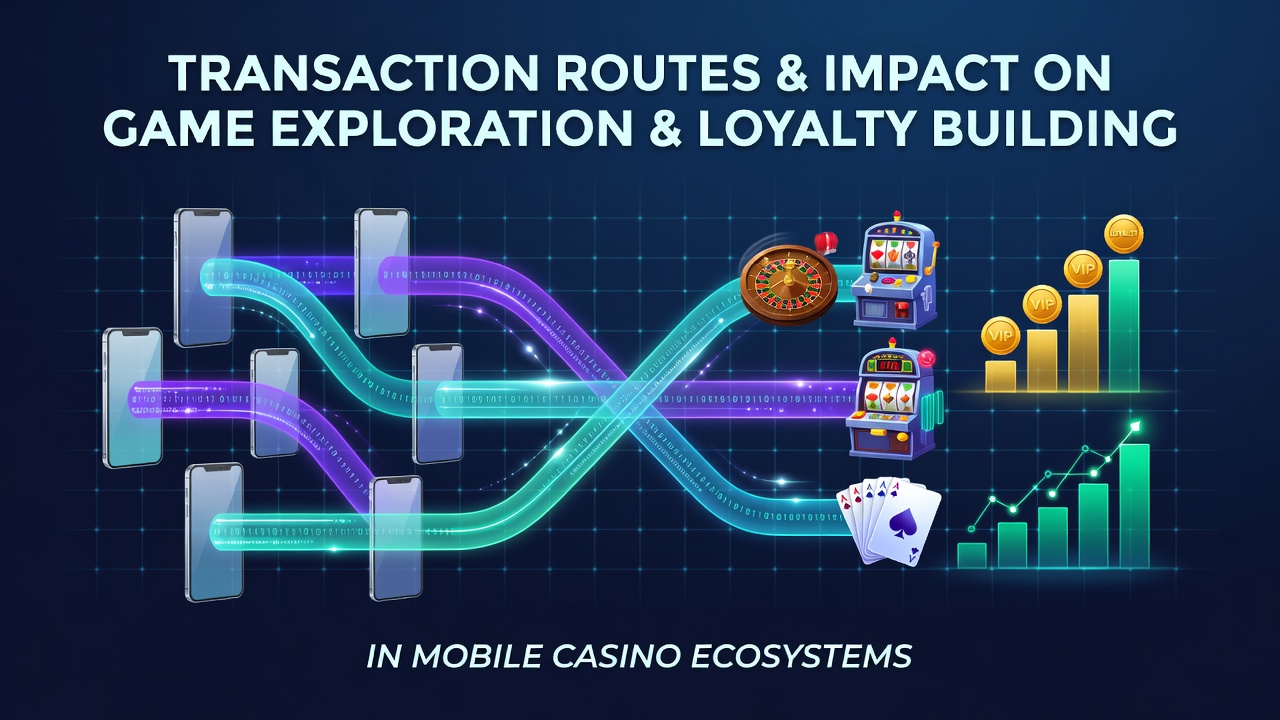
Transaction routes in mobile casino ecosystems refer to the pathways through which funds move between player accounts, banking institutions, and gaming platforms, and these routes shape how users discover new games while advancing through loyalty structures.
Payment gateways, digital wallets, and direct bank transfers form the backbone of these systems, and operators design them to minimize friction during deposits and withdrawals.
How Transaction Pathways Enable Broader Game Access
Seamless transaction routes allow players to shift funds quickly between different game categories such as slots, table games, and live dealer sessions, and this fluidity encourages experimentation across formats without repeated verification steps.
Data from regulatory filings shows that platforms with integrated instant deposit options record higher session diversity, where users transition from one title to another within the same login period, and observers note this pattern across multiple jurisdictions.
Researchers tracking mobile wagering trends have identified that streamlined routes reduce abandonment rates during the initial deposit phase, which in turn opens doors to promotional bundles tied to specific game libraries.
Connections Between Funding Mechanisms and Reward Progression
Loyalty programs in mobile casinos often link directly to transaction activity, where cumulative deposit volumes trigger tier advancements and unlock personalized rewards such as free spins or cashback percentages, and these connections create measurable pathways from basic play to elevated status levels.
Industry reports indicate that users who utilize recurring payment schedules experience accelerated point accumulation, and this acceleration stems from automated tracking systems that log every completed transfer against loyalty ledgers.
One study released in early 2026 highlighted how route efficiency correlates with retention metrics, showing that platforms supporting multiple funding options maintain steadier user progression through membership tiers compared to those with limited channels.
Technical Elements Shaping Mobile Interactions
Mobile interfaces incorporate API connections that route transactions through secure encryption layers, and these layers support real-time balance updates that keep players informed during extended exploration sessions.
Operators frequently partner with third-party processors to expand route options, which includes regional preferences such as e-wallets popular in certain markets or card-based methods dominant in others, and this variety aligns funding choices with local player habits.
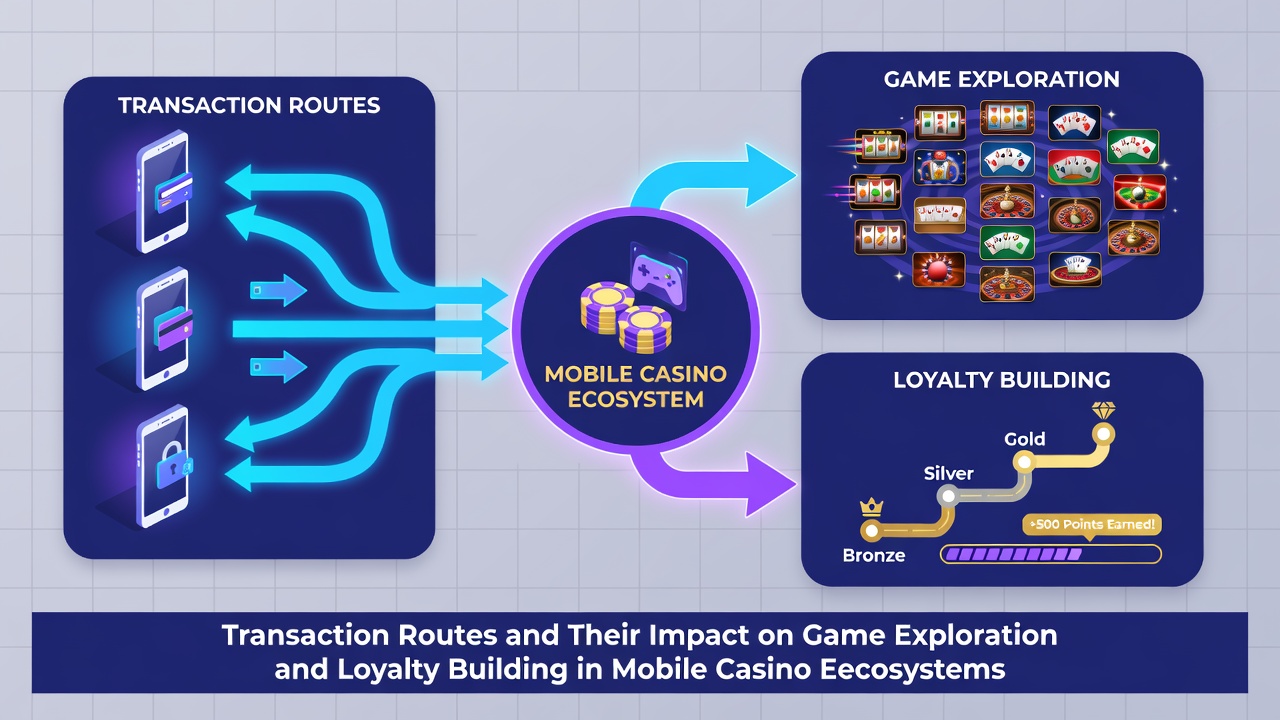
According to findings published by iGaming Ontario, transaction volume data from 2025 demonstrated that diversified route availability corresponded with increased cross-category engagement, particularly when loyalty incentives activated automatically upon deposit confirmation.
Patterns Observed Across Different Ecosystems
Analysts examining portable wagering environments have documented cases where optimized transaction routes led to higher trial rates for live dealer titles, since players could fund accounts mid-session without exiting the application, and this capability supported continuous participation across formats.
Evidence from platform analytics further reveals that loyalty elevation often follows clusters of smaller, frequent transactions rather than isolated large deposits, because the former triggers incremental reward releases that sustain momentum.
Those monitoring industry shifts note that updates rolled out around July 2026 in several North American markets refined routing protocols to accommodate faster reconciliation between loyalty points and actual gameplay metrics.
Future Developments in Route Integration
Emerging standards in mobile payment security continue to influence how transaction routes interface with loyalty dashboards, and developers focus on unifying these elements so that each completed transfer contributes directly to visible progress indicators.
Reports from the American Gaming Association outline ongoing work toward standardized data exchange formats that would allow loyalty systems to recognize activity across multiple route types without manual reconciliation.
Conclusion
Transaction routes serve as foundational infrastructure within mobile casino ecosystems by determining the speed and scope of game exploration while simultaneously feeding data into loyalty frameworks that reward consistent participation. The measurable links between funding efficiency and both discovery patterns and tier advancement underscore the operational importance of these pathways across regulated markets. Continued refinement of these systems supports expanded access and sustained engagement as platforms evolve.